Ultimate Night & Closing Shift Survival Kit (Curated List)
A focused, seven-item kit pulled from the gear series for the specific problems of late closes and overnight recovery.
Heads up: this post contains affiliate links, and MyShiftX may earn a small commission on a purchase, at no extra cost to you.
Closing shifts and overnight work stack up a specific set of problems all at once: feet that are done, a body that still needs to wind down, a phone hovering near dead, coffee that went cold two hours ago, and a bedroom that will be fully bright by the time you get home. Solving each of those separately every single night is exhausting on its own. A small, repeatable kit handles all of it without having to think through the same five problems from scratch after every shift.
This is not a giant packing list. It’s a focused set of products that address the most common physical and practical pain points for people who regularly work late or close. Each item below is the single pick from its category — if you want the full comparison and more options, every section links out to the dedicated guide.
The Core Kit
1. Blackout Curtains or a Quality Sleep Mask
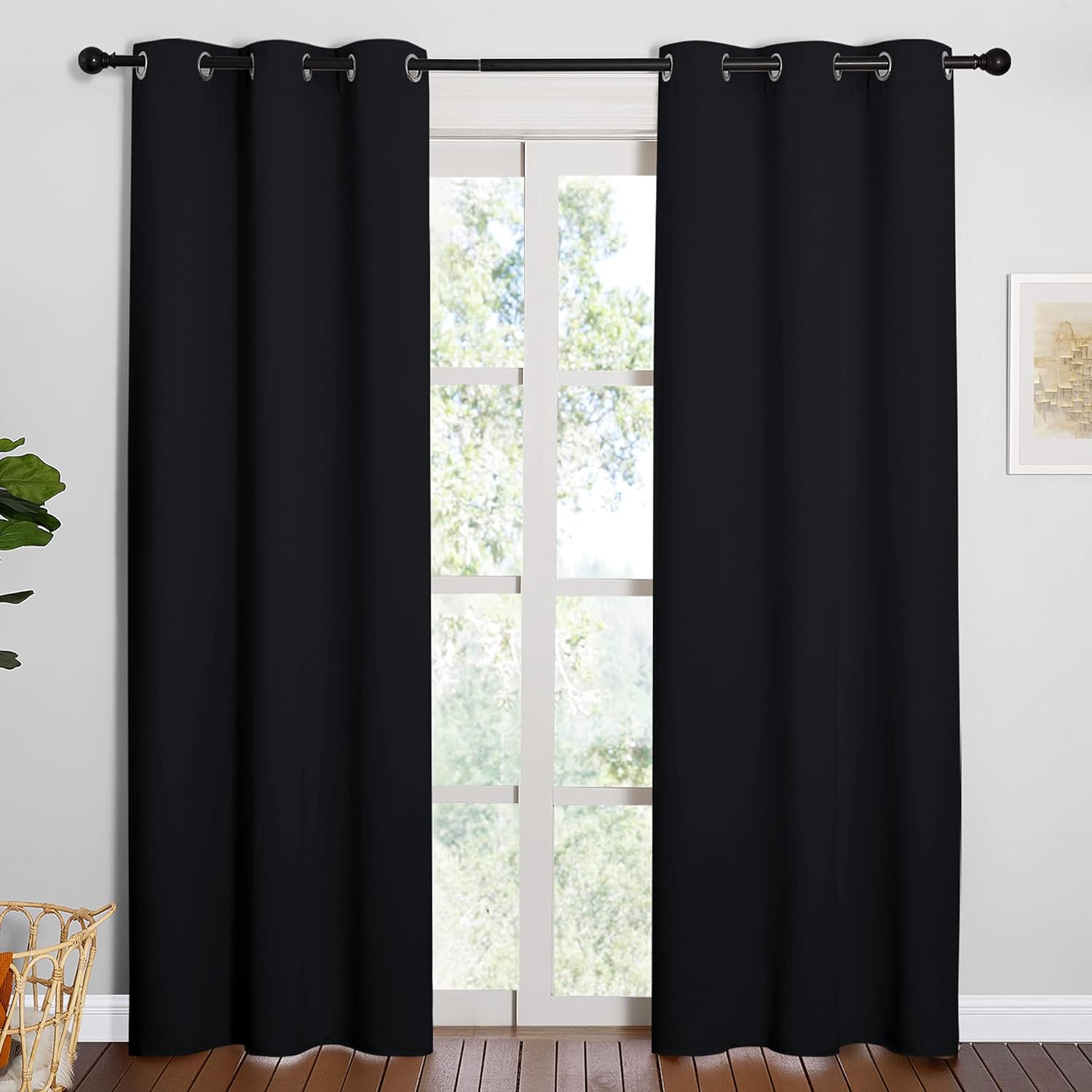
NICETOWN 100% Blackout Curtains
Pros
- Handles most of the light problem in the room
- Works even with imperfect window coverage
Cons
- Edge light can still leak — pair with a sleep mask for full darkness
Best for: Anyone trying to sleep during the day after a late close or overnight shift.
Check Current Price on AmazonDaytime sleep without darkness is fragmented sleep. Blackout curtains handle the bulk of the light problem in the bedroom. A good contoured sleep mask closes any remaining gaps from edges, under doors, or residual glow. Together they create the conditions for actual rest after a late close.
If you can only choose one, start with curtains for the room and add a mask for travel or residual light. For the full curtain lineup and the sleep mask options, see the blackout curtains guide and the sleep masks guide.
2. Compression Socks
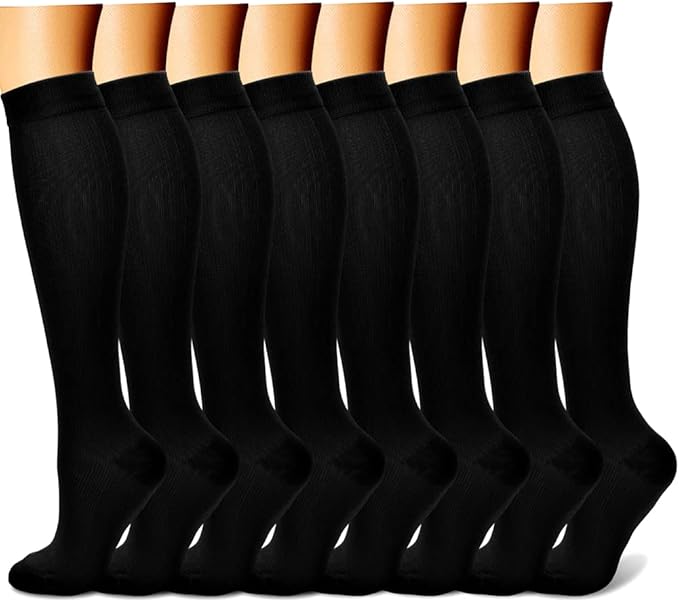
CHARMKING Multi-Packs (15-20 mmHg)
Pros
- Reduces end-of-shift leg heaviness
- No electricity or setup required
Cons
- Only helps circulation, not the sleep environment itself
Best for: The last part of a closing shift and the commute home.
Check Current Price on AmazonAfter hours on hard floors, legs and feet often swell and feel heavy. Graduated compression socks (15-20 or 20-30 mmHg) support circulation and can reduce that end-of-shift heaviness. Many closing-shift workers put them on for the last part of the night or for the commute and wind-down period.
They’re one of the simplest recovery tools that fit in a locker or bag and require no electricity or setup. For the full range of compression levels and materials, see the compression socks guide.
3. Supportive Shoes or Quality Insoles
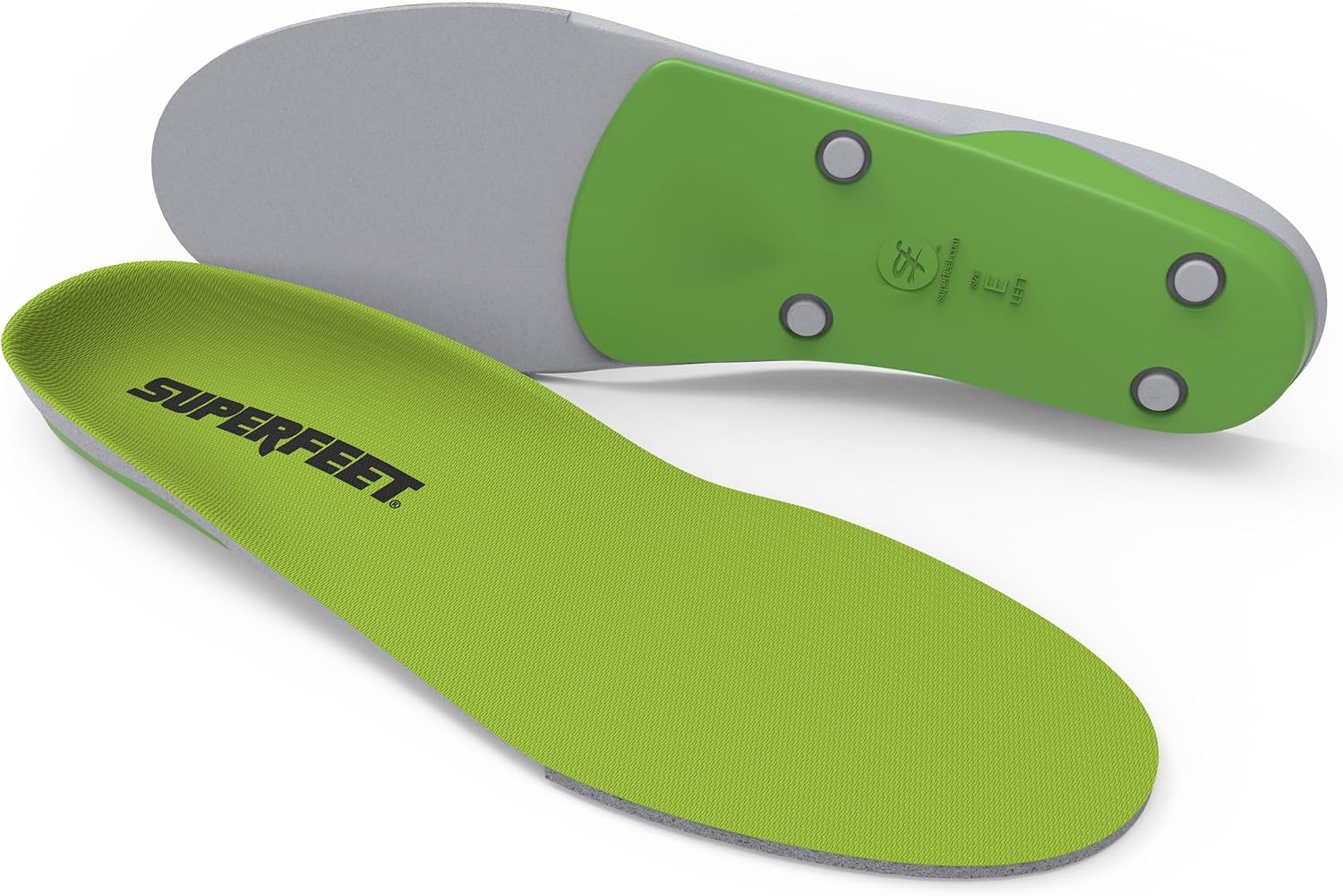
Hoka Bondi 9 / Bondi SR
Pros
- Highest-leverage physical upgrade for a closing shift
- Insoles are a cheap fix if new shoes aren't in the budget
Cons
- Good shoes are a bigger upfront cost than insoles
Best for: Anyone whose feet, knees, or back feel worse by the end of a closing shift.
Check Current Price on AmazonIf your current shoes are flattened or unsupportive, the cumulative impact of a closing shift shows up in feet, knees, and back. A pair of properly cushioned, supportive work shoes (or good insoles in the shoes you already own) is one of the highest-leverage physical upgrades available.
This is covered in detail in the shoes guide and the insoles guide. The short version: prioritize cushioning that lasts and real arch support over fashion.
4. Insulated Tumbler
Stanley Quencher / Adventure Quencher
Pros
- Keeps coffee or water at temperature through the final hours
- Secure lid reduces spills during closing tasks
Cons
- One more thing to wash and refill
Best for: The last stretch of a shift when a hot drink actually matters.
Check Current Price on AmazonCoffee or water that stays at the right temperature through the final hours of a shift is a small but real quality-of-life improvement. An insulated tumbler with a secure lid also reduces spills during the rush of closing tasks. Choose capacity and lid style based on how you actually drink during the night — see the tumblers guide for the full lineup.
5. Portable Charger
Anker PowerCore / High-Capacity Models
Pros
- Keeps your phone alive for the ride home
- Backup for checking the next day's schedule
Cons
- Needs to be charged itself before the shift
Best for: Anyone who has had a phone die at the worst moment of a late shift.
Check Current Price on AmazonA dead phone at the end of a late shift complicates rides home, communication, and the ability to check the next day’s schedule. A reliable power bank that can deliver at least one full charge keeps that risk low. Keep it charged and accessible in a bag or locker — see the portable chargers guide for more capacity and speed options.
6. Blue-Light Blocking Glasses
Swanwick or Similar Amber Glasses
Pros
- Helps signal to the body that it's time to wind down
- Low-effort to add to an existing commute routine
Cons
- Optional — most useful if light sensitivity is already a factor
Best for: The commute and wind-down window right after a late shift.
Check Current Price on AmazonAfter a late shift, screens and certain artificial lighting can make it harder for the brain to switch into sleep mode. Amber or strong blue-light filtering glasses worn during the commute and wind-down period help some people transition more easily toward daytime sleep. They’re optional but low-effort if light sensitivity or screen use is part of your post-shift routine — see the blue-light glasses guide for stronger and more subtle options.
7. Simple Leak-Proof Meal Container
Leak-Proof Containers
Pros
- Lets you bring food that survives the shift and the trip home
- Removes dependence on whatever is open at 2 a.m.
Cons
- Just a container — pairs best with a proper insulated lunch bag
Best for: The end of a long night or the first meal of the next day.
Check Current Price on Amazon
Having something decent to eat at the end of a long night (or for the next day’s first meal) without depending on whatever is open at 2 a.m. is practical self-respect. A reliable leak-proof container lets you bring food that survives the shift and the trip home — see the lunch bags and meal prep guide for the full system, including insulated bags and ice packs.
How to Use the Kit
- Keep the physical recovery items (compression socks, good shoes/insoles, tumbler) in regular rotation so they’re not special-occasion gear.
- Treat the sleep environment pieces (curtains, mask, optional blue-light glasses) as non-negotiable infrastructure for daytime rest.
- Charge the power bank as part of the same routine that charges your phone.
- The meal container is useful both for the end of the current shift and for setting up the next day’s food.
You don’t need every item on day one. Start with the two or three that solve your biggest current pain points — usually feet/legs, light for sleep, and phone battery — then add the others as budget and need allow. The goal is a small, repeatable set of tools that make late shifts and the recovery afterward less punishing over time.
This curated list pulls from the individual product posts in the series. For deeper comparisons and more options in any category, see the dedicated guides linked in each section above. None of these seven categories require buying the specific named product — the point of each one is the category and the reasoning behind it, so substitute freely if you already own something that does the same job.
Building It Over Time
Most people don’t buy everything at once. A practical order of operations for many closing and night-shift workers looks like this:
- Fix the sleep environment (blackout curtains + sleep mask) so recovery is possible.
- Address feet and legs (better shoes/insoles + compression socks) so the physical cost of the shift drops.
- Add the daily convenience items (tumbler, charger, container) that remove small frictions every night.
- Experiment with blue-light glasses if wind-down still feels difficult.
Each piece is useful on its own. Together they form a small system that makes the hardest part of the schedule — the late hours and the short recovery window — more sustainable. Review the individual posts linked above for specific product recommendations and current options.
The kit is intentionally small. The point is not to accumulate gear — it is to remove the most common sources of extra fatigue and friction so you can finish the shift and actually rest afterward. Once the core pieces are in place, the individual product guides can help you refine or replace items as your schedule, budget, or preferences change.
See what a shift board actually looks like
A walkthrough of the Wall, the calendar, and how a trade gets settled.
Explore the demo