Best Insulated Tumblers & Water Bottles for Long Shifts
Temperature retention and leak resistance compared across the tumblers and bottles that actually survive a full shift.
Disclosure: this post contains affiliate links. MyShiftX may earn a small commission on purchases made through them, at no cost to you.
There’s a small, specific misery to reaching for coffee at hour four and finding it lukewarm, or grabbing your water bottle at hour nine and finding it warm enough to be unappetizing. Neither ruins a shift on its own. Both are the kind of tiny recurring annoyance that a genuinely good tumbler removes permanently, for a one-time cost that’s usually less than a week of vending-machine drinks.
Not every insulated bottle actually holds temperature the way the marketing claims. Here’s what actually performs for a full shift, based on what park, restaurant, theater, and event staff keep buying and keep using.
What Matters for Shift Work
- Temperature retention that actually lasts through a full shift (hot coffee or cold water for 6–12+ hours).
- Leak resistance when the lid is closed and the bottle is on its side.
- Easy-to-clean designs (wide mouths, dishwasher-safe parts when possible).
- Size that fits in cup holders, lockers, or bags without being cumbersome.
- Durability against drops and daily abuse.
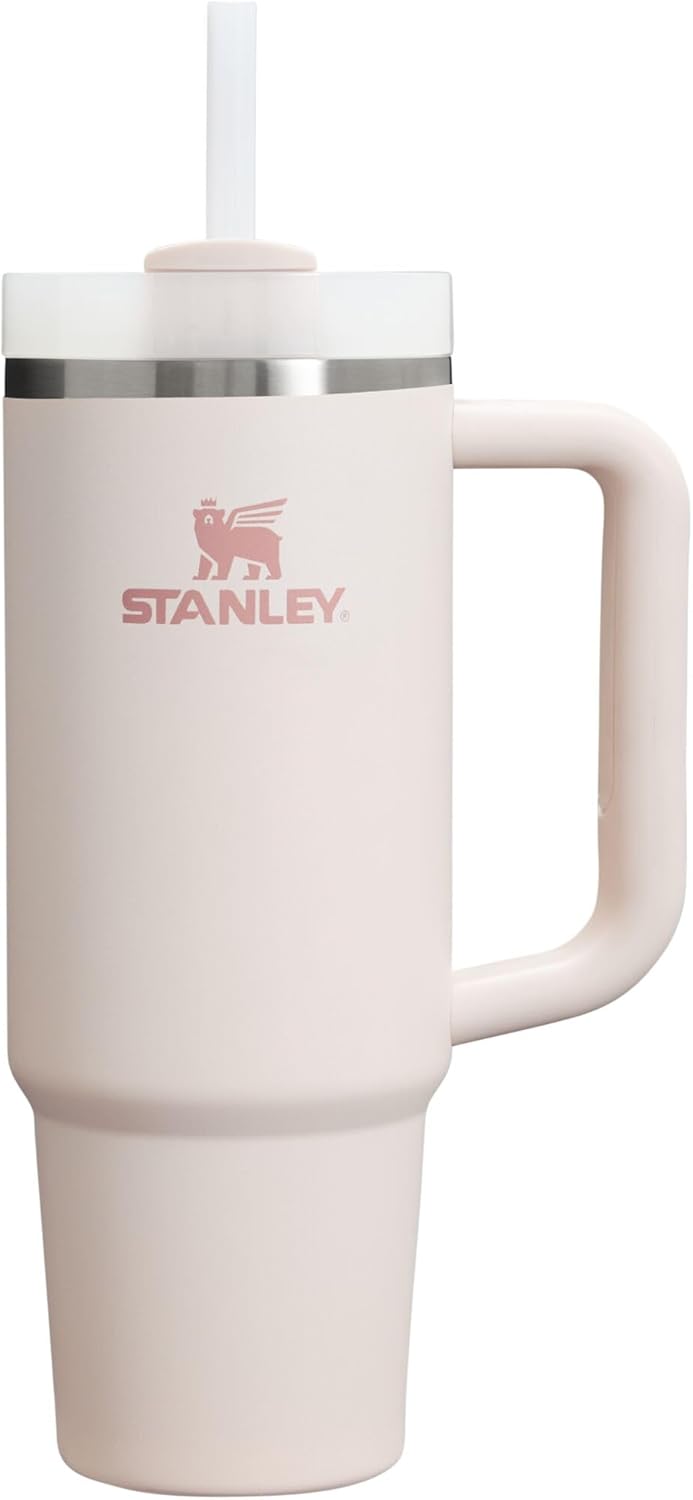
Stanley Quencher / Adventure Quencher
Pros
- Excellent capacity and insulation
- Comfortable handle
- Widely available colors and sizes
Cons
- Can be bulky
- Straw requires cleaning attention
Best for: People who want one big drink to last most of the shift.
Check Current Price on AmazonStanley’s Quencher line became a cultural phenomenon for a reason: it holds a lot of liquid, keeps it cold (or hot) for a long time, and comes in enough colors and sizes that people can find one that fits their routine. The handle and straw make it easy to drink while moving, and the insulation performance is strong enough for full shifts.
Many shift workers appreciate the large capacity so they don’t have to refill as often. The lid and straw system is generally reliable when closed properly. It’s a solid all-around choice for both hot and cold drinks.
Contigo Autoseal
Pros
- Strong leak resistance
- Reliable insulation
- Easy one-handed use
Cons
- Smaller capacity than some Quencher-style options
Best for: Active roles where spills are a real risk.
Check Current Price on AmazonContigo’s Autoseal lids are designed to stay closed until you press the button, which reduces the chance of leaks in bags or lockers. The insulation is solid for the size, and the designs are generally easy to clean and durable enough for daily work use.
These are popular among people who move around a lot during their shift and need something that won’t spill if knocked over or tossed into a bag. They’re a practical middle-ground option between basic bottles and oversized tumblers.
Hydro Flask
Pros
- Proven insulation
- Tough exterior
- Good size range
Cons
- Premium price
- Some lids require extra care to stay leak-proof
Best for: Outdoor park and event staff or anyone who wants a bottle that lasts years.
Check Current Price on AmazonHydro Flask has a long reputation for temperature retention and tough powder-coated exteriors that hold up to daily wear. The classic wide-mouth bottles and newer tumbler styles both perform well for keeping drinks cold or hot through long days. They’re a frequent recommendation for outdoor work and anyone who prioritizes durability.
The brand offers a range of sizes and lids (including straw and flex lids), so you can match the bottle to how you actually drink during a shift.
Yeti Rambler
Pros
- Outstanding insulation and durability
- Rugged construction
Cons
- Higher price
- Heavier than some alternatives
Best for: Demanding outdoor or event roles where gear takes abuse.
Check Current Price on AmazonYeti Ramblers are built for rough use and excellent temperature control. The double-wall insulation keeps drinks at temperature for extended periods, and the construction feels overbuilt in a good way for work environments. Lids and accessories are designed to be durable and functional.
These cost more, but many people who work outdoors or in demanding environments find the performance and longevity worth it. They’re a strong choice if you want something that will survive being dropped, left in hot vehicles, or used hard every day.
Simple High-Volume Budget Option
Pros
- Lower cost
- Adequate performance for most shifts
Cons
- Insulation and durability can be less consistent
Best for: Budget-conscious workers or secondary bottles.
Check Current Price on AmazonNot every shift requires a premium brand. Plenty of well-reviewed budget insulated tumblers and bottles deliver solid temperature retention and leak resistance at a lower price. Look for stainless-steel double-wall construction, a secure lid, and capacity that matches how much you actually drink during a shift.
These are ideal for trying the insulated-tumbler habit or for keeping a backup in the car or locker. Performance varies more than with the top brands, so check recent reviews for the specific model.
How Much Water a Long Shift Actually Costs You
Standing or moving for eight to twelve hours, especially outdoors or near heat sources like a kitchen line, pushes fluid loss well past a normal office day. A common rule of thumb is roughly half an ounce to an ounce of water per pound of body weight per day under normal conditions, and that number climbs on hot or physically demanding shifts. For a 160-pound worker, that’s in the neighborhood of 80–160 ounces — call it two to four refills of a 40-ounce tumbler across a full shift, more in summer heat.
This is part of why capacity matters more than it seems on a product page. A bottle that only holds 20 ounces means multiple trips to a water fountain during an already-busy shift, and most people simply skip the refill rather than leave a station or a section repeatedly. A bigger bottle you fill once at the start of a shift gets used; a smaller one you’re supposed to refill three times usually doesn’t.
A simple gut-check for whether you’re drinking enough: pale yellow urine generally means you’re adequately hydrated, while dark yellow is a sign to catch up. It’s not a precise measurement, but it’s a free one, and it’s more useful mid-shift than trying to mentally track ounces while you’re also doing the actual job. Thirst itself is a lagging indicator — by the time you notice it, you’re already somewhat behind, which is another reason a large-capacity bottle you sip from steadily beats one you only reach for once you’re already parched.
Practical Tips
- Pre-chill or pre-heat the bottle with cold or hot water for a few minutes before filling — this improves temperature retention.
- Clean lids and straws regularly; they collect residue that can affect taste and sealing.
- Choose a size you will actually carry and refill rather than the largest possible.
- For hot coffee that needs to stay hot through a long morning or night shift, look for models with strong hot-retention claims and tight lids.
A reliable insulated tumbler or bottle removes one small daily friction from long shifts. Whether you prioritize capacity, leak resistance, or pure durability, the options above cover the main needs of theme park, restaurant, theater, and event workers. Pick the one that matches how you actually move and drink during a shift, and your coffee (or water) will still be worth drinking at hour eight.
See what a shift board actually looks like
A walkthrough of the Wall, the calendar, and how a trade gets settled.
Explore the demo