
Best Healthy, Shelf-Stable Snacks for Break Rooms & Lockers
Protein bars, nut packs, and electrolyte options that hold up in a hot locker and avoid the mid-shift sugar crash.
Disclosure: this post contains affiliate links. MyShiftX may earn a small commission on purchases made through them, at no extra cost to you.
There’s a specific slump that hits somewhere around hour five or six of a long shift, and it usually gets blamed on being tired when it’s really about blood sugar. The vending machine offers a fast fix — a candy bar, a soda — that spikes energy for twenty minutes and then drops you lower than where you started. A small stash of better options in a locker or bag breaks that cycle for less money than the vending machine charges anyway.
The best options for theme park, restaurant, theater, and event staff are ones that don’t need refrigeration, survive heat and jostling, provide some protein or sustained energy, and don’t leave you thirsty or sluggish.
What Works for Shift Work
- No refrigeration required.
- Reasonable protein or fiber so energy lasts longer than pure sugar.
- Packaging that survives being tossed in a bag or left in a warm locker.
- Portion sizes that fit a short break.
- Options that don’t create a mess or strong odors in shared spaces.
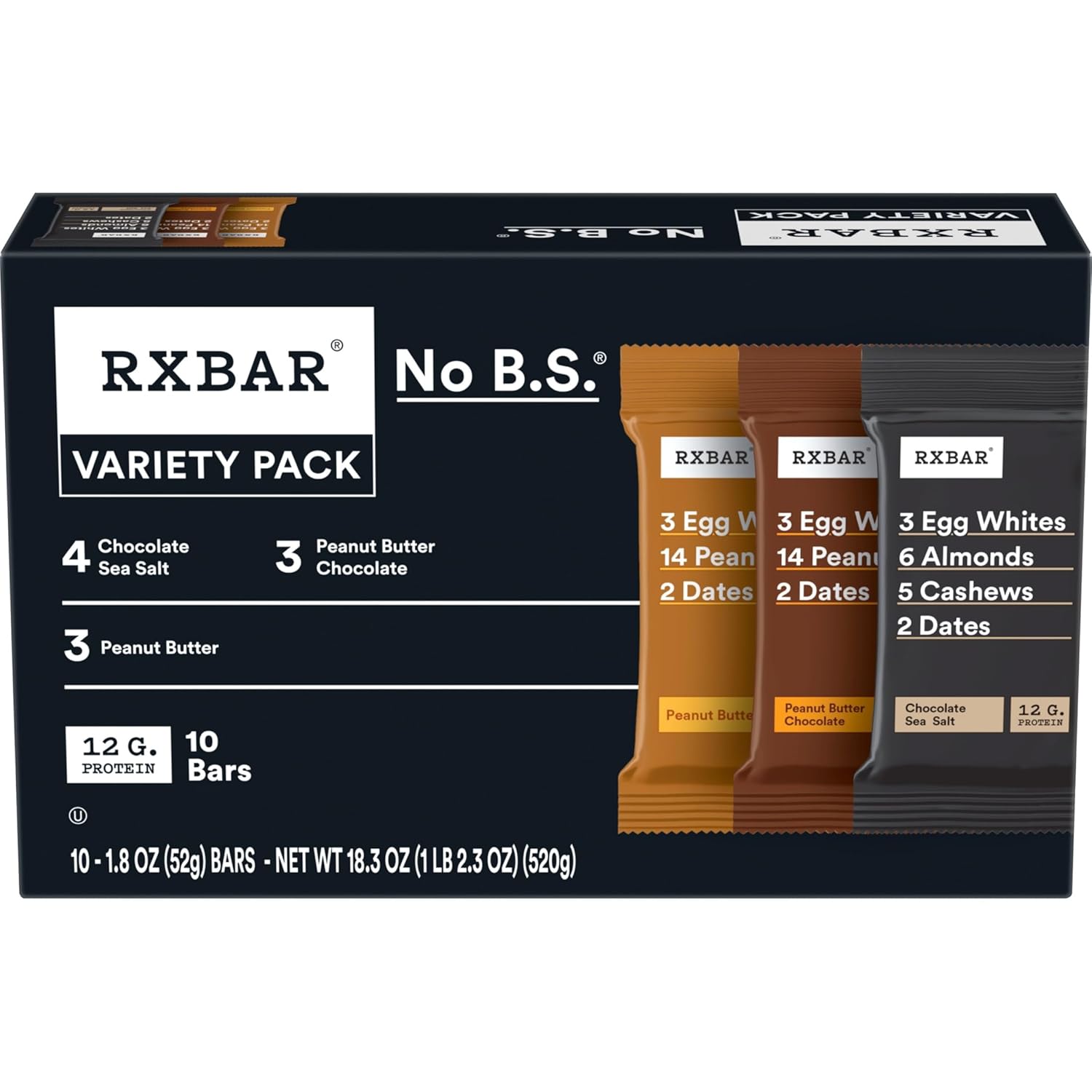
High-Protein Bars (RXBAR, KIND, and Similar)
Pros
- Convenient
- Higher protein
- Long shelf life
- Widely available flavors
Cons
- Some are still high in sugar or calories
- Texture varies
Best for: Quick, filling options during short breaks.
Check Current Price on AmazonProtein bars with recognizable ingredients (nuts, egg whites, dates, etc.) tend to keep people fuller longer than candy bars. RXBAR, certain KIND varieties, and similar options are popular because they’re relatively clean and don’t rely on a long list of unpronounceable additives. They travel well and require no prep.
Look for bars with at least 8–12 grams of protein and moderate sugar. Keep a couple in your locker or bag so you’re not dependent on whatever the break room has that day.
Nut & Seed Packs
Pros
- Minimal ingredients
- Satisfying
- No mess
- Long shelf life
Cons
- Calorie-dense
- Some people find them dry without water
Best for: Reliable, no-fuss energy that doesn't spike and crash.
Check Current Price on AmazonSingle-serve almond, mixed nut, or seed packs are about as simple and reliable as snacks get. They provide protein, healthy fats, and sustained energy without preparation. Many come in portion-controlled packs that fit easily in a pocket or small bag.
Choose unsalted or lightly salted versions if you want to avoid excess sodium, especially on hot outdoor shifts where dehydration is already a risk. They’re also useful for pairing with a piece of fruit if you have access to any.
Jerky or Meat Sticks
Pros
- High protein
- Savory alternative
- Portable
- Filling
Cons
- Can be high in sodium
- Quality varies widely
- Some are tough to chew quickly
Best for: People who prefer savory snacks or need more protein density.
Check Current Price on AmazonWhen you want something savory and higher in protein, quality jerky or meat sticks work well. They don’t require refrigeration once packaged, pack easily, and provide a more substantial feel than sweet bars for many people. Look for options with lower added sugar and recognizable ingredients.
These are especially useful on longer shifts when a sweet bar starts to feel repetitive. Keep them sealed until you need them to preserve texture and flavor.
Electrolyte Packets
Pros
- Supports hydration
- Lightweight
- Easy to store
- Useful in heat
Cons
- Not a food snack
- Taste varies
- Some contain sugar or artificial ingredients
Best for: Outdoor park and event staff or anyone who sweats heavily during shifts.
Check Current Price on AmazonOn hot outdoor shifts or any day where you’re sweating more than usual, plain water sometimes isn’t enough. Single-serve electrolyte packets that mix into a water bottle help replace sodium and other minerals lost through sweat. They’re lightweight, shelf-stable, and easy to keep in a bag or locker.
Choose lower-sugar or sugar-free versions if you mainly need the electrolytes rather than extra calories. These are a practical addition rather than a standalone snack.
Dark Chocolate or Low-Sugar Options
Pros
- Satisfies sweet cravings
- Portion control is easy
- Dark chocolate has some redeeming qualities
Cons
- Still a treat, not a primary energy source
- Easy to overdo if not portioned
Best for: Planned small rewards during long shifts.
Check Current Price on AmazonCompletely eliminating enjoyable food from long shifts is unrealistic for most people. Small portions of higher-cocoa dark chocolate or lower-sugar treats can satisfy a craving without the full crash of candy. Keep the portion small and pair it with something that has protein or fat when possible.
This category is about controlled enjoyment rather than primary fuel. Having a planned small treat is often better than impulsive vending-machine decisions when energy is low.
Timing Snacks to Your Actual Shift
What you eat matters less than most people think; when you eat it matters more. A protein or fat-forward snack about halfway through a long shift — before the crash starts rather than after it hits — keeps blood sugar steadier than waiting until you already feel foggy and reaching for the fastest sugar available. If your shift has a predictable slow patch (the mid-afternoon lull at a park, the gap between lunch and dinner rush at a restaurant), that’s the natural spot to eat something with protein, not the moment you already feel drained.
A second useful habit: eat something before an unusually demanding stretch, not during it. If you know a peak rush, a big event load-in, or a double is coming, a snack twenty to thirty minutes ahead does more than trying to eat on the fly once you’re already in the middle of it.
It also helps to notice the difference between actual hunger and the specific fatigue that long shifts produce, since they feel similar and get treated the same way by a lot of people. If a snack twenty minutes ago didn’t change how you feel, the problem is more likely dehydration, being on your feet too long without a break, or simple accumulated tiredness — and reaching for a second snack won’t fix any of those. Water, a few minutes off your feet, or just recognizing you’re near the end of what the shift should reasonably ask of you is sometimes the more honest answer than more food.
Practical Tips
- Rotate a small stock so nothing sits in a hot locker for months.
- Pair protein + carb or protein + fat when you can (nuts + a piece of fruit, bar + water, etc.).
- Keep a water bottle with you — many “energy” problems are partly dehydration.
- Avoid relying solely on sugar; the crash mid-shift is real.
- If your workplace has a fridge, you can expand options, but shelf-stable backups still matter for days when the fridge is full or unavailable.
Having a few reliable, shelf-stable snacks in your locker or bag removes one daily decision and reduces the chance of energy crashes that make the last hours of a shift harder. Focus on options with some protein or healthy fat, keep portions practical for short breaks, and treat electrolytes as part of the system on hot days. Small, consistent upgrades here compound over weeks of long shifts, and a stocked locker is one less thing to plan for on the mornings when there simply wasn’t time to make anything before leaving the house.
See what a shift board actually looks like
A walkthrough of the Wall, the calendar, and how a trade gets settled.
Explore the demo