Best Shoes for Theme Park, Restaurant & Theater Staff on 10-12 Hour Shifts
Max-cushion trainers, kitchen clogs, and slip-resistant options compared for people who are on their feet all day.
Disclosure: this post contains affiliate links, and MyShiftX may earn a small commission if you make a purchase, at no cost to you.
Ten to twelve hours on hard concrete or tile does something to feet that most shoes were never designed to handle. Theme park cast walk miles a day. Servers and line cooks stand for hours on kitchen tile that offers zero give. Theater ushers, merchandise associates, and event staff put in the same kind of standing-and-walking mileage most people never experience outside of that job. By the end of it, throbbing arches and swollen ankles aren’t a sign something’s wrong with you — they’re a sign the shoe gave up before your shift did.
The right shoes won’t erase every long day, but the wrong ones make every day worse. Good footwear is one of the highest-ROI investments a shift worker can make: it affects how you feel at hour ten and how quickly you recover for the next shift.
This guide focuses on shoes that hold up for long hours on hard surfaces, frequent direction changes, occasional spills, and the need to stay functional until closing.
What Matters in a Work Shoe for Long Shifts
- Cushioning that lasts. Soft foam that feels great at hour one but collapses by hour eight is common. Look for midsoles that still absorb impact late in the day.
- Slip resistance when it counts. Kitchen floors, spilled drinks, rain on outdoor paths — grippy outsoles matter.
- Room for swelling. Feet expand after hours of standing. A roomy toe box and wide-size options prevent the end-of-shift squeeze.
- Arch support and stability. Keeps your foot from rolling and reduces fatigue in the calves, knees, and hips.
- Breathability or easy cleaning. Hot kitchens and humid parks mean sweaty feet.
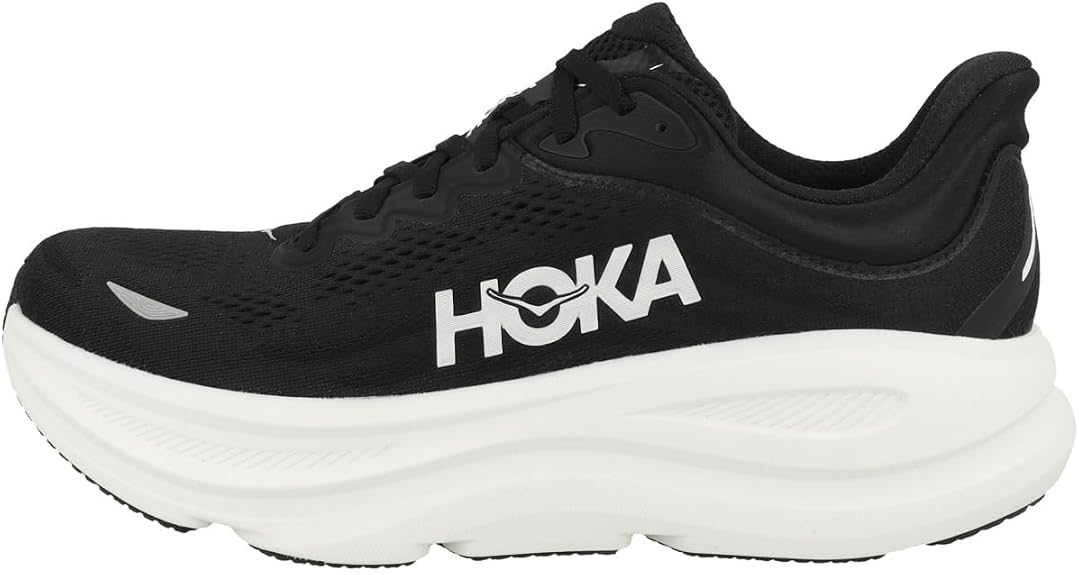
Hoka Bondi 9 / Bondi SR
Pros
- Exceptional impact protection
- Stable for its height
- Wide sizes
- Comfortable out of the box
Cons
- Chunky look
- Can feel warm
- Higher price
Best for: Theme park walking, long merchandise shifts, theater standing, or any role where cushioning is the top priority.
Check Current Price on AmazonHoka’s Bondi has become the default for people who stand or walk all day. The Bondi 9 delivers a massive stack of cushioning (around 40+ mm in the heel) with updated foam that feels plush without going completely mushy. The wide base and Meta-Rocker geometry help the shoe roll smoothly so your feet and calves do less work.
The standard Bondi 9 works well for dry floors and park paths. For kitchens or wet surfaces, the Bondi SR adds a grippy outsole while keeping the same max-cushion ride. Many food-service workers call the SR their daily driver.
Brooks Ghost
Pros
- Reliable cushioning and support
- Good breathability
- Versatile
- Multiple widths
Cons
- Not the absolute softest
- Standard versions lack specialized slip resistance
Best for: Theme park cast, theater staff who move between areas, merchandise floor walkers, and restaurant front-of-house.
Check Current Price on AmazonThe Brooks Ghost sits between soft and supportive. It doesn’t have the extreme stack of a Bondi, but the cushioning is highly rated for all-day comfort. Many servers, retail associates, and park workers prefer it because it feels more “normal” underfoot while still protecting joints.
The upper is usually breathable mesh, the fit runs true to size, and the outsole holds up to daily abuse. It’s a frequent pick for people who walk a lot during their shift.
New Balance Fresh Foam 1080
Pros
- Plush yet stable
- Excellent size and width range
- Good for swelling feet
Cons
- Can run a bit warm
- Premium price
Best for: Workers who need width options or longer walking distances in parks and large venues.
Check Current Price on Amazon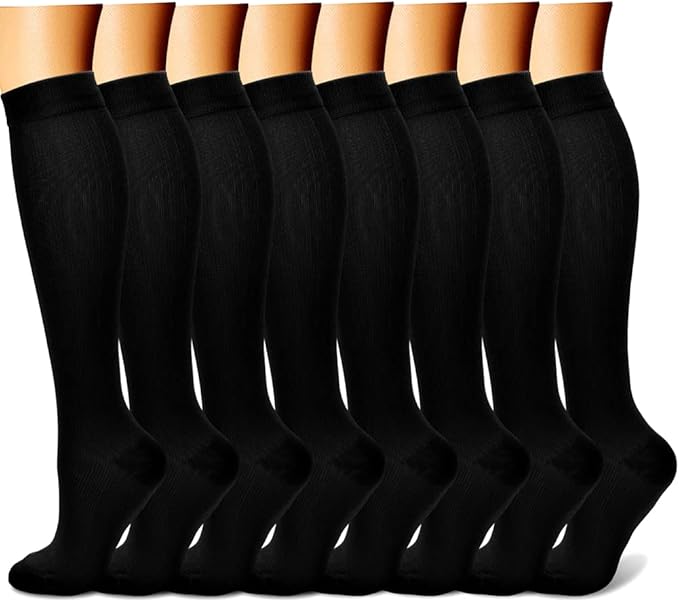
New Balance’s Fresh Foam 1080 is another favorite for all-day wear. The foam is soft and protective, the upper is accommodating, and New Balance offers excellent width options including wide and extra-wide. That matters when feet swell late in a shift.
People who stand long stretches on hard floors often praise the 1080 for reducing fatigue. The rocker geometry helps with a smooth stride while still delivering serious cushioning.
Dansko Professional Clogs
Pros
- Excellent arch support and posture benefits
- Durable
- Easy to clean
Cons
- Heavier than sneakers
- Clog feel isn't for everyone
- Break-in required
Best for: Kitchen staff, back-of-house roles, or long standing shifts with less walking.
Check Current Price on AmazonDansko Professional clogs have been a staple in kitchens and restaurants for decades. The contoured footbed, rocker bottom, and rigid construction change how you stand and walk. The slight heel and rocker reduce stress on the plantar fascia and calves. Many chefs and servers say their feet, legs, and backs feel better after switching.
They take a short break-in period, but once molded they become a reliable option for pure standing work. The slip-resistant outsole handles wet floors, and the closed design protects against spills.
Skechers Arch Fit or Work Styles
Pros
- Strong arch support for the price
- Lightweight
- Good availability of work versions
Cons
- Not as maximal in cushioning as the premium options
Best for: Budget-conscious workers across restaurants, parks, theaters, and retail.
Check Current Price on AmazonSkechers Arch Fit models (and work-oriented slip-resistant versions) punch above their price for many shift workers. The podiatrist-designed insole provides real arch support that people notice quickly, especially with flat feet or mild plantar issues. Memory foam cushioning keeps things comfortable, and the shoes are generally lightweight.
Work-specific versions often add slip-resistant outsoles. Reviewers in hospitality and retail frequently mention less foot pain at the end of long shifts compared with generic sneakers.
Crocs On-the-Clock
Pros
- Excellent slip resistance
- Easy to clean
- Lightweight
- True slip-on
Cons
- Less refined look
- Cushioning good but not maximal
Best for: Kitchen staff, dishwashers, outdoor event crews in wet conditions.
Check Current Price on Amazon
For back-of-house, kitchen, or roles with constant spills, Crocs On-the-Clock remain popular. The LiteRide or dual-comfort footbed is surprisingly supportive, the closed design meets many workplace requirements, and the outsole is built for wet floors. They’re lightweight, easy to clean, and require zero break-in.
They won’t match a Bondi’s cushioning for pure standing on dry concrete, but for messy environments they’re hard to beat. Many cooks keep a pair as their dedicated work shoe because they wipe or rinse clean and go right back on.
Sizing and the Break-In Window
Feet swell over the course of a long shift — often by half a size or more — which is why a shoe that fits perfectly at 9 a.m. can feel tight and painful by 6 p.m. The fix is simple but easy to skip: try on or size work shoes later in the day, ideally after you’ve already been on your feet for a few hours, not first thing in the morning when your feet are at their smallest.
Give any new pair a real trial before judging it. Max-cushion shoes like the Bondi can feel unfamiliar for the first few wears as your calves and stabilizing muscles adjust to the rocker geometry. Structured options like Dansko clogs often need a short physical break-in period before the footbed molds to your foot. A shoe that feels merely okay on day one but noticeably better by day five is normal. One that still hurts after two weeks of regular wear probably isn’t the right shoe for your foot shape, regardless of how many good reviews it has.
Practical Tips
- Try shoes later in the day when feet are slightly swollen.
- Consider rotating two pairs so cushioning recovers between shifts.
- Replace shoes when the midsole feels flat or your feet start hurting more than usual — most people need new ones every 6–12 months of full-time use.
- Pair with good socks (or compression socks) for extra help with swelling.
The best shoe is the one that still feels supportive at hour 11. Start with the option that matches your environment (dry walking vs. wet kitchen) and budget, then adjust from real shift feedback. Your feet will thank you on the drive home.
See what a shift board actually looks like
A walkthrough of the Wall, the calendar, and how a trade gets settled.
Explore the demo