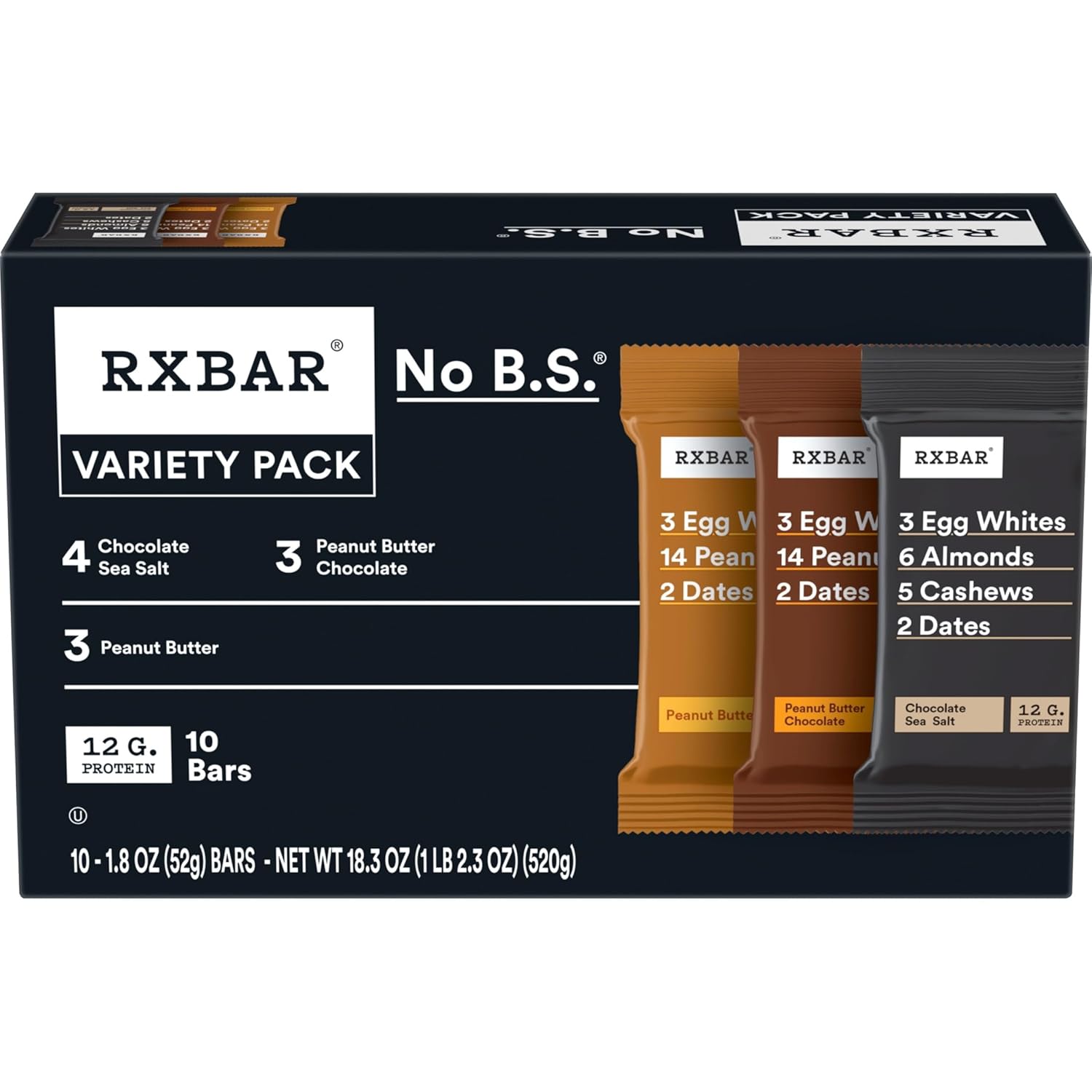
Best Lunch Bags & Meal Prep Containers for Restaurant & Park Employees
Insulation, leak-proof containers, and freeze-and-go systems that keep packed food safe through a long or split shift.
Disclosure: this post contains affiliate links, and MyShiftX may earn a small commission on qualifying purchases at no cost to you.
Packing your own food is supposed to save money and beat whatever’s in the vending machine. It only works out that way if the food is still good by the time you actually get to eat it. A ten-hour split shift with a break room that has no fridge, or one shared fridge that’s already packed with forty other people’s lunches, turns a simple sandwich into a small logistics problem.
The goal is simple: food that stays cold (or hot) for hours, containers that don’t leak in a bag or locker, and a system you can actually repeat every day without extra hassle.
What Matters for Shift Workers
- Insulation that holds temperature through a full or split shift (often 6–10+ hours).
- Leak-proof containers that survive being tossed in a bag or dropped.
- Enough capacity for a real meal plus snacks without becoming bulky.
- Easy cleaning — wipeable interiors and dishwasher-safe containers when possible.
- Freezable or ice-pack compatibility so you don’t rely on a work fridge that may not exist or may be full.
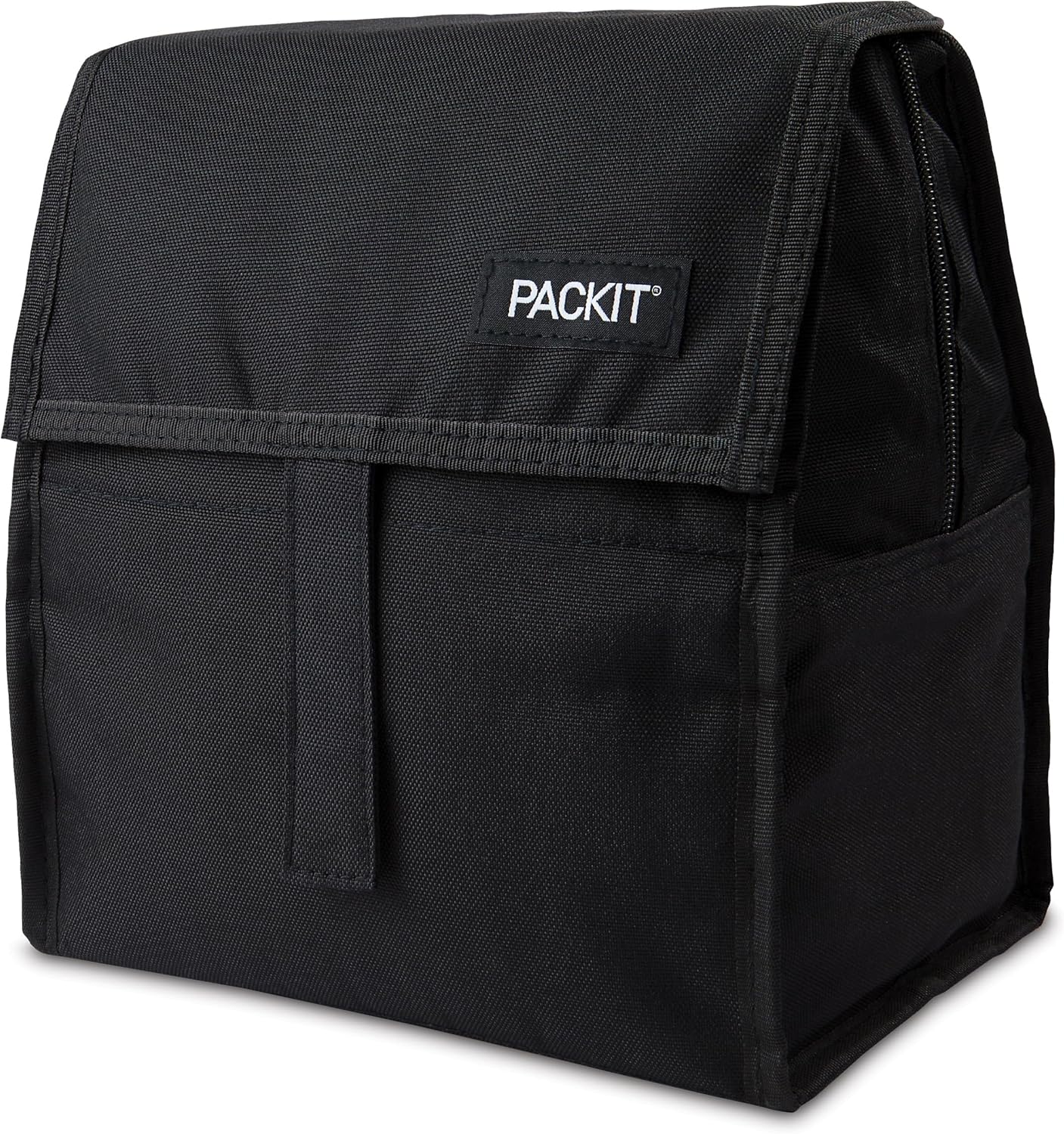
PackIt Freezable Lunch Bags
Pros
- No separate ice packs needed
- Convenient for people who forget them
- Folds flat
- Keeps food cold for hours when properly frozen
Cons
- Must remember to freeze it
- Can be heavier when frozen
- Capacity varies by model
Best for: Workers without consistent fridge access or anyone who wants a simple freeze-and-go system.
Check Current Price on AmazonPackIt’s freezable bags have gel walls built into the fabric. You freeze the entire bag overnight, pack your food in the morning, and the walls themselves act as the ice pack. No separate packs to lose or forget. Many people who work long shifts without reliable fridge access like this system because it’s one less thing to manage.
Performance is strongest when the bag is fully frozen and not opened repeatedly. Some users add a slim extra ice pack for very long days or hot environments. The bags fold flat when not in use, which helps with freezer space.
Bentgo Systems
Pros
- Good organization and portion control
- Solid insulation with ice packs
- Practical pockets
- Adult-friendly sizes available
Cons
- Containers and bags are often sold separately
- Insulation still benefits from an ice pack
Best for: Meal-preppers who want food kept separate and a bag that fits the containers well.
Check Current Price on AmazonBentgo is known for compartmentalized bento-style containers that keep foods separate and reduce sogginess. Their insulated bags and lunch systems are designed to hold those containers securely while adding pockets for utensils, snacks, or a phone. In testing, some Bentgo insulated bags have shown strong cold retention when paired with an ice pack.
The compartment approach works well for people who pack varied meals — protein, carbs, veggies, and a treat — without everything mixing. The bags themselves are generally lightweight and have useful exterior pockets.
Large Insulated Tote Bags
Pros
- Higher capacity
- Better for multi-meal days or larger containers
- Often stronger insulation
Cons
- Bulkier
- Can be overkill for simple single-meal days
Best for: Split shifts, long outdoor days, or anyone packing more than a basic sandwich and snack.
Check Current Price on AmazonWhen one small lunch bag isn’t enough — multiple meals for a double, extra snacks, a large water bottle, or food for a long outdoor shift — a larger insulated tote or soft cooler-style bag is more practical. These usually have thicker insulation, more room, and often a shoulder strap or handles that make them easier to carry through a parking lot or across a park.
Look for models with a wipeable liner, a secure zipper, and enough structure that containers don’t tip over inside. Some expand or have external pockets for non-food items.
Leak-Proof Containers
Pros
- Prevents spills and cross-contamination
- Reusable and cost-effective long-term
- Many sizes and compartment styles
Cons
- Glass is heavier
- Cheap plastic lids can fail over time
Best for: Everyone — this is the base layer under any bag system.
Check Current Price on AmazonEven the best bag fails if the containers inside leak. Look for containers with reliable seals (silicone gaskets, locking lids, or proven snap systems), preferably BPA-free and microwave/dishwasher safe. Glass options are durable and don’t stain or retain odors; plastic options are lighter and less breakable if dropped.
Having a small set of matching leak-proof containers makes packing faster and reduces the chance of a mess in your bag or locker. Many shift workers keep two or three sets in rotation so one is always clean.
Long-Lasting Ice Packs
Pros
- Extends cold time
- Flexible options fit more bags
- Reusable
Cons
- Another item to freeze and track
- Takes freezer space
Best for: Long shifts, hot environments, or as a backup with any bag system.
Check Current Price on AmazonEven freezable bags or good insulation benefit from high-quality ice packs on very long or hot days. Slim, flexible packs fit better around containers than bulky brick-style ones. Look for packs that stay cold for extended periods and don’t leak if the outer shell is damaged.
Keep a couple in the freezer so you always have a frozen one ready. For split shifts or outdoor work in summer, a reliable ice pack is cheap insurance against food safety issues.
The Food Safety Math Most People Skip
There’s an actual rule behind “is this still okay to eat,” and it’s worth knowing rather than guessing. Perishable food sitting between 40°F and 140°F — the “danger zone” — is generally considered safe for about two hours, or one hour if the ambient temperature is above 90°F, which describes a lot of break rooms and outdoor staff areas in summer. Past that window, bacteria growth accelerates regardless of how the food looks or smells.
That two-hour number is exactly why insulation matters more than convenience for shift work. A lunch bag with a proper ice pack or frozen gel walls doesn’t just keep food appetizing — it keeps it inside a safe temperature range for the six, eight, or ten hours between when you pack it and when you actually eat it. A bag that’s “just for looks” without real insulation is a food safety gap, not just a comfort issue.
Dairy, cooked meat, rice, and anything with mayonnaise are the items most worth being strict about — they’re the foods most commonly linked to real food-poisoning cases when left too warm for too long. Dry snacks, whole fruit, and shelf-stable items are much more forgiving if your ice pack loses its chill an hour early on an especially hot day.
Practical Tips for Shift Workers
- Pack food that holds up well: sandwiches, wraps, pasta salads, cut vegetables, hard-boiled eggs, and sturdy fruits tend to survive better than delicate salads or soggy items.
- Freeze water bottles or yogurt tubes as extra “ice packs” that you can drink later.
- Wipe the bag interior after every use and deep-clean regularly to avoid odors.
- If your workplace has a fridge, still use insulation — fridges can be overcrowded or unreliable.
- Match container size to how much you actually eat so you’re not carrying unnecessary weight.
A reliable lunch system removes one daily stressor from already demanding shifts. Whether you prefer the freeze-and-go simplicity of a PackIt, the organization of a Bentgo setup, or a larger tote for bigger days, the combination of good insulation, leak-proof containers, and a solid ice source makes the biggest difference. Start with the pieces that solve your biggest current pain point — temperature, leaks, or capacity — and build from there.
See what a shift board actually looks like
A walkthrough of the Wall, the calendar, and how a trade gets settled.
Explore the demo