Best Crossbody Bags, Fanny Packs & Hands-Free Carriers for Floor Staff
Slim belts, clear stadium-approved bags, and rugged slings for keeping essentials on you without occupying your hands.
A quick note: this post uses affiliate links, and a purchase through one may earn MyShiftX a small commission at no extra cost to you.
There is a specific kind of shift-long annoyance that comes from having nowhere to put your phone. Pockets get full, or your uniform doesn’t have real ones. A tote gets left in the break room and forgotten. A shoulder bag swings into a guest, a tray, or a cart every time you turn. None of this is a big problem on any single shift, but multiplied across a forty-hour week it’s a genuine source of friction that a five-dollar accessory largely solves.
This roundup covers the hands-free carry options that actually hold up on a floor — theme park paths, restaurant sections, theater aisles, retail sales floors — rather than the ones that look good in a product photo and fall apart or flop around after a week of real use.
What Matters on the Floor
- Secure fit that doesn’t bounce or swing excessively while walking or moving quickly.
- Easy access to the most-used items without full removal.
- Enough capacity for phone, keys, cards, and a couple of small extras without bulk.
- Durable materials that survive daily use and occasional weather.
- For certain venues: clear or see-through designs that meet security rules.
Slim Running-Style Belts
Pros
- Very low profile
- Secure during movement
- Hands completely free
- Often water-resistant
Cons
- Limited capacity
- Phone size can be tight in the smallest models
Best for: High-movement roles where minimalism and security matter most.
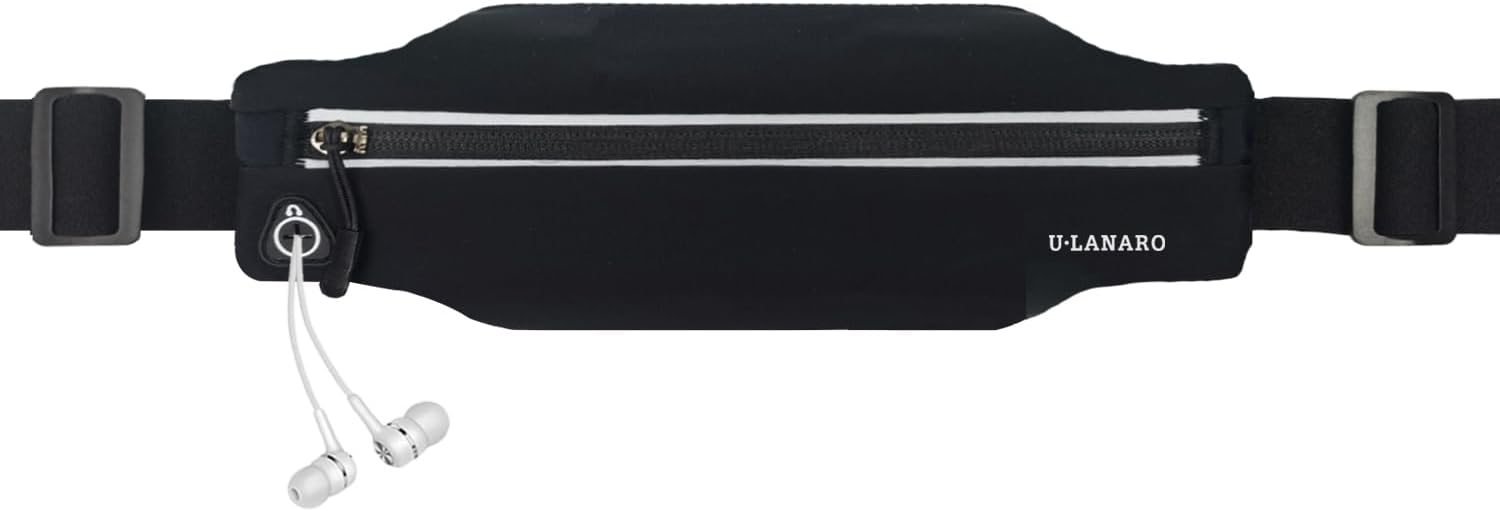
Check Current Price on AmazonModern slim running belts sit close to the body and hold a phone, keys, cards, and sometimes a small water bottle or snack. They’re popular for floor work because they stay out of the way, don’t swing like a shoulder bag, and leave both hands free. Look for ones with secure zippers or closures and a fit that doesn’t ride up or dig in during long wear.
These are ideal when you need the absolute minimum bulk and maximum freedom of movement.
Crossbody Bags with Water Bottle Holders
Pros
- More capacity than a belt
- Easy access
- Hydration built in
- Still relatively hands-free
Cons
- Can bounce if not fitted well
- Bulkier than the slimmest options
Best for: Staff who need a bit more than the absolute minimum and want water with them.
Check Current Price on AmazonA compact crossbody with a dedicated water bottle pocket (or enough room for a bottle plus essentials) covers more daily needs than a pure running belt. You can carry phone, keys, cards, a small snack, and hydration without needing a separate bag or relying solely on pockets. The crossbody strap keeps it stable if adjusted properly, and the front or top access makes grabbing items quick.
Choose sizes that stay close to the body rather than large messenger-style bags that swing. Water bottle compatibility is a practical bonus for long outdoor or floor shifts.
Clear Stadium-Approved Bags
Pros
- Meets common security policies
- Contents visible (advantage or drawback)
- Purpose-built sizes
Cons
- Privacy is limited
- Materials can feel less premium
- Not needed if your venue has no such rule
Best for: Parks, stadiums, and events with clear-bag policies.
Check Current Price on AmazonMany parks, stadiums, theaters, and event venues require clear bags for security. A well-designed clear crossbody or tote that meets size guidelines lets you carry essentials while complying with the rules. Look for reinforced seams, secure zippers, and a comfortable strap so the bag is actually usable for a full shift rather than just a compliance item.
These are environment-specific. If your workplace requires them, a durable clear option is better than repeatedly borrowing or using flimsy disposables.
Fanny Pack or Crossbody
Pros
- More structure and pocket organization than a slim belt
- Converts between waist and crossbody wear
- Enough room for phone, keys, cards, and a small extra
Cons
- Bulkier at the waist than a minimal running belt
- Not as compliant as a purpose-built clear bag for venues that require one
Best for: Staff who want more organization than a slim belt without stepping up to a full crossbody or sling.
Check Current Price on AmazonA fanny pack sits in between the minimal running belt and the larger crossbody options. Most modern versions convert between a waist pack and a crossbody by adjusting the strap, which is useful if your preference changes depending on the role or the day. The added structure usually means dedicated pockets for cards and small items instead of one open pouch, so things stop sliding around together.
They land in a good spot for people who found a slim belt too limited but don’t want the bulk of a full crossbody or sling. Look for a wide, adjustable strap and a zipper (not just a snap or magnetic closure) if you’ll be bending, reaching, or moving quickly during a shift.
Rugged Small Sling Bags
Pros
- Durable
- Better organization
- Weather-resistant options
- Secure crossbody carry
Cons
- Slightly more bulk
- Style may or may not match uniform expectations
Best for: Outdoor or higher-wear environments where a soft pack would wear out faster.
Check Current Price on AmazonSmall sling bags that sit across the body offer a middle ground: more structure and weather resistance than a soft fanny pack, still compact enough for floor work. Rugged materials and better zippers help them survive daily abuse. Many have organizational pockets that keep phone, keys, and cards from becoming a jumbled mess.
These work well when you want something a step more substantial than a running belt but still far smaller than a regular backpack or tote.

Check Your Uniform Policy Before You Buy
Guest-facing roles often have dress-code language that covers accessories, even when nobody mentions it during onboarding. Some workplaces restrict bag color to match the uniform, require anything worn on the floor to be a specific size or style, or ban visible branding that isn’t the company’s own. Clear-bag policies at parks and stadiums are the most obvious version of this, but plenty of restaurants and retail floors have quieter rules about what can and can’t be worn while working a section.
It’s a five-minute conversation with a supervisor that saves you from buying something you can’t actually wear on shift. If your workplace has no rule at all, that’s useful to confirm too — it means the crossbody or fanny pack you liked in the photos is genuinely fair game, not just unenforced.
Practical Tips
- Adjust the strap so the bag sits high and close to the body — low-hanging bags swing and get in the way.
- Test the access: can you get your phone or keys out with one hand while moving?
- Avoid overfilling. The moment the bag becomes a mini suitcase, it stops being a floor tool.
- For guest-facing roles, choose colors and styles that don’t clash with the uniform or look unprofessional.
- Keep a small carabiner or clip on the bag for temporary attachment of a water bottle or extra item when needed.
Hands-free carry is one of those upgrades that feels minor until you work a full shift without constantly checking pockets or setting a bag down. A slim belt, a fanny pack, or a well-fitted crossbody keeps the essentials on you and your hands available for the actual work. Start with the capacity and style that matches how much you truly need to carry, then refine based on bounce, access, and durability after real shifts.
Once you find a carrier that stays put and holds exactly what you need, it tends to become permanent kit. The best designs disappear into the background of the shift so you stop thinking about where your phone or keys are and simply reach for them when required. That small reduction in friction adds up over hundreds of shifts.
See what a shift board actually looks like
A walkthrough of the Wall, the calendar, and how a trade gets settled.
Explore the demo